Understanding Herniated Disc Pain and How It Affects You
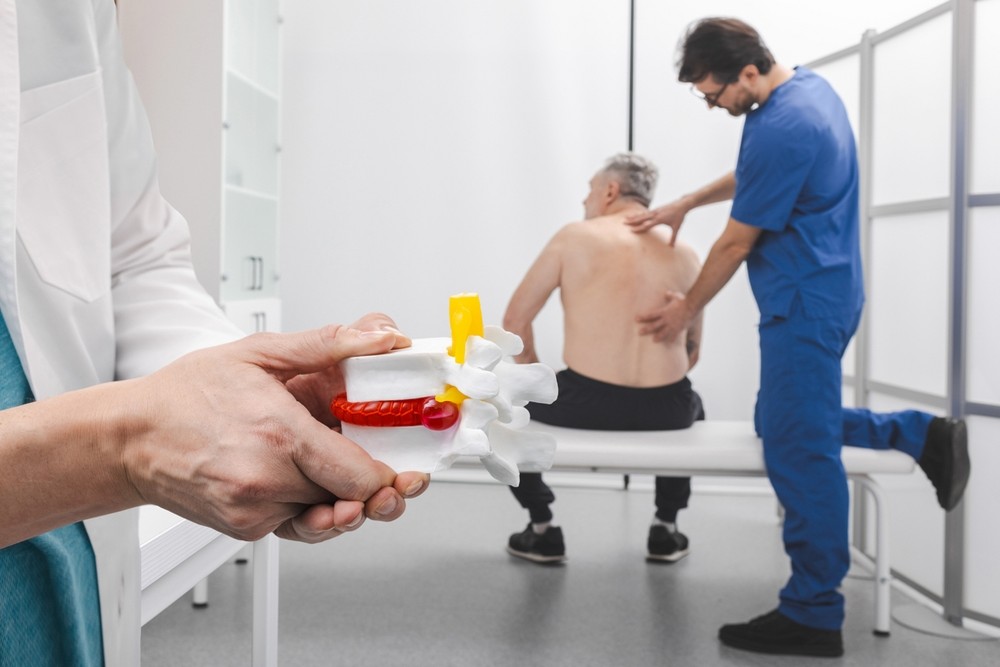
Living with a herniated disc can make even simple movements feel frustrating and unpredictable. When a spinal disc shifts out of place or presses on nearby nerves, you may feel sharp pain, deep aches, stiffness, or discomfort that travels into your arms or legs. Sitting, standing, bending, or sleeping can suddenly become challenging, especially when pressure builds in the spine throughout the day. This type of pain often develops gradually from repetitive strain, poor posture, heavy lifting, or previous injuries, and it rarely improves by ignoring it. Instead, the discomfort can worsen as swelling and nerve irritation increase. Understanding how a herniated disc affects your daily movement is the first step in recognizing when specialized care, such as spinal decompression therapy, may be appropriate for relieving pressure and supporting healing.
How Spinal Decompression Therapy Supports Disc Healing
Spinal decompression therapy is designed to gently stretch the spine in a controlled way, creating space between vertebrae and reducing pressure on affected discs. When pressure is relieved, discs are more likely to retract, reducing irritation to nearby nerves. This process also encourages improved circulation, which helps deliver oxygen and nutrients to injured tissues. Unlike approaches that only focus on temporary symptom relief, decompression therapy works with your body’s natural mechanics to address the source of pain. You may notice reduced tension, improved mobility, and less nerve-related discomfort as sessions progress. This type of therapy is often used when pain is persistent, movement feels restricted, or other conservative methods have not provided lasting improvement.
Signs You May Benefit From Spinal Decompression Therapy
You may be a good candidate for spinal decompression therapy if your pain is linked to a herniated or bulging disc and has not improved with rest or basic care. Common signs include pain that radiates down your arms or legs, numbness or tingling, frequent flare-ups when sitting or standing for long periods, or stiffness that limits your range of motion. If your discomfort increases with compression, such as prolonged sitting or lifting, decompression therapy may help reduce that constant pressure. This approach is often considered before more invasive options, especially when you are looking for a non-surgical way to manage pain and improve function. Recognizing these patterns early can help you avoid prolonged discomfort and setbacks.
How Decompression Therapy Fits Into a Broader Care Plan
Spinal decompression therapy works best when it is part of a comprehensive approach to spinal health. While decompression helps relieve disc pressure, additional therapies such as chiropractic adjustments, guided exercises, and posture support can help maintain progress. Adjustments improve joint motion, while targeted movement helps strengthen supportive muscles and prevent future strain. Together, these methods help your spine stay aligned and resilient during daily activities. You may find that combining decompression therapy with other supportive care allows you to move more confidently and reduces the chance of recurring pain. This integrated approach focuses not only on relief but also on helping you return to normal routines with greater comfort and stability.
Taking the Next Step Toward Disc Pain Relief
Knowing when to use spinal decompression therapy can make a meaningful difference in how quickly and comfortably you recover from herniated disc pain. By reducing pressure, improving circulation, and supporting natural healing, this therapy can help you regain mobility and confidence in movement. If ongoing disc-related pain is interfering with your daily life, reach out to Sam’s Chiropractic at (858) 304-7894 to schedule an appointment and take the first step toward a healthier, more comfortable lifestyle.