
Why Movement Quality Matters More Than You Think
Your back is built to move, bend, and adjust daily. When movement patterns break down due to injury, poor posture, or prolonged sitting, your body compensates, reducing mobility and increasing strain. You might notice stiffness getting out of bed, discomfort after standing, or hesitation when twisting or lifting. These signs indicate that the muscles are not working together well. Corrective exercises restore body movement, not just activity. Improving coordination, balance, and control helps your spine move with less effort and stress. Better movement quality over time eases tension and lets your back function as it should each day.
How Corrective Exercises Improve Mobility at the Source
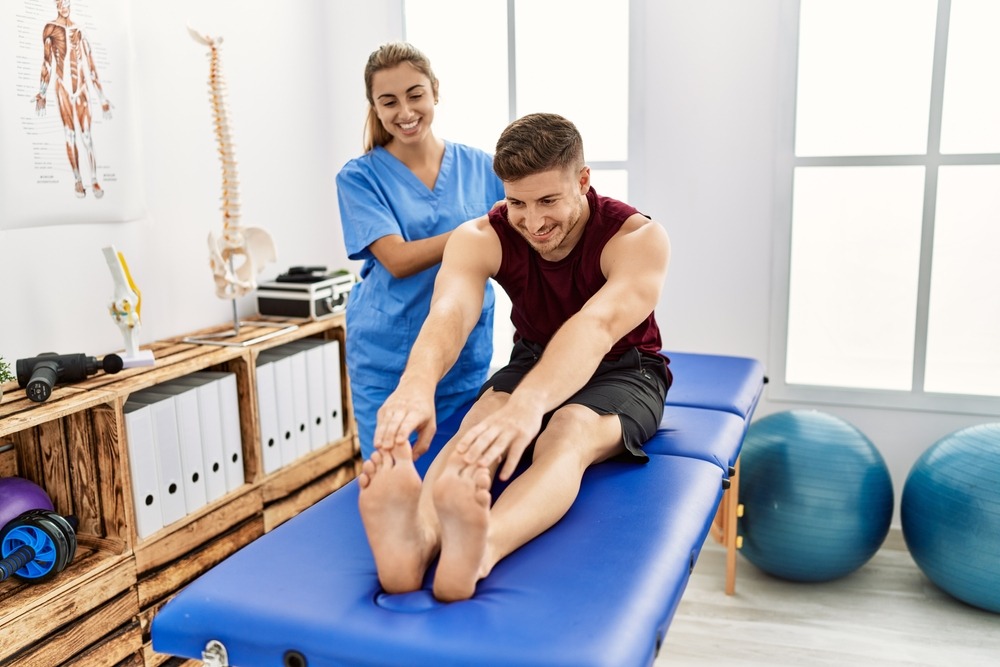
Mobility issues rarely come from one tight muscle or a single weak area. They usually develop from imbalances where certain muscles overwork while others remain underactive. Corrective exercises are designed to address these imbalances by activating the right muscles and improving joint movement. When your hips, core, and spine move in harmony, your range of motion naturally improves. You may find that bending feels smoother, walking feels more stable, and daily movements require less conscious effort. These exercises are typically controlled and intentional, allowing your nervous system to relearn healthier movement patterns. As mobility improves, your body becomes more adaptable, making it easier to handle physical demands without triggering discomfort or stiffness.
Supporting Your Spine Through Strength and Stability
Long-term back health depends on more than flexibility. Strength and stability are equally important for protecting your spine. Corrective exercises help build deep stabilizing muscles that support your back during both movement and rest. When these muscles are strong and responsive, they reduce excess pressure on spinal joints and discs. This support helps prevent recurring strain and allows your spine to maintain proper alignment throughout the day. You may notice improved posture, better balance, and increased confidence in movement as strength develops. Instead of relying on passive support, such as braces or constant rest, your body learns to support itself through controlled, functional strength that carries over into daily life.
Preventing Recurring Pain Through Consistent Practice
One of the biggest benefits of corrective exercises is their role in preventing future back issues. Pain often returns when the underlying movement problem is never fully addressed. By practicing corrective exercises consistently, you reinforce healthier patterns that protect your spine over time. These exercises help your body recognize when it is moving efficiently versus when it is placing unnecessary stress on certain areas. As awareness improves, you naturally adjust how you sit, stand, lift, and move. This ongoing feedback loop reduces the likelihood of flare-ups and supports steady progress. Rather than reacting to pain once it appears, corrective exercises let you take a proactive approach to maintaining comfort and mobility.
Building a Healthier Back for the Long Run
Corrective exercises are not about short-term fixes or pushing through discomfort. They are about helping your body move better, feel stronger, and stay resilient as your needs change. When combined with professional guidance, these exercises can become a powerful tool for maintaining long-term back health and mobility. If you are ready to support your spine with movement that lasts, reach out to Sam’s Chiropractic at (858) 304-7894 to schedule an appointment and take the first step toward a healthier, more comfortable lifestyle.